
Superset is now Paradev. Your agent bill is still separate.
Paradev says Superset accounts, workspaces and CLI commands carry over without manual migration. Its parallel worktrees separate code changes but do not, by themselves, guarantee permission isolation. Workspace plans do not include agent subscription or API costs.
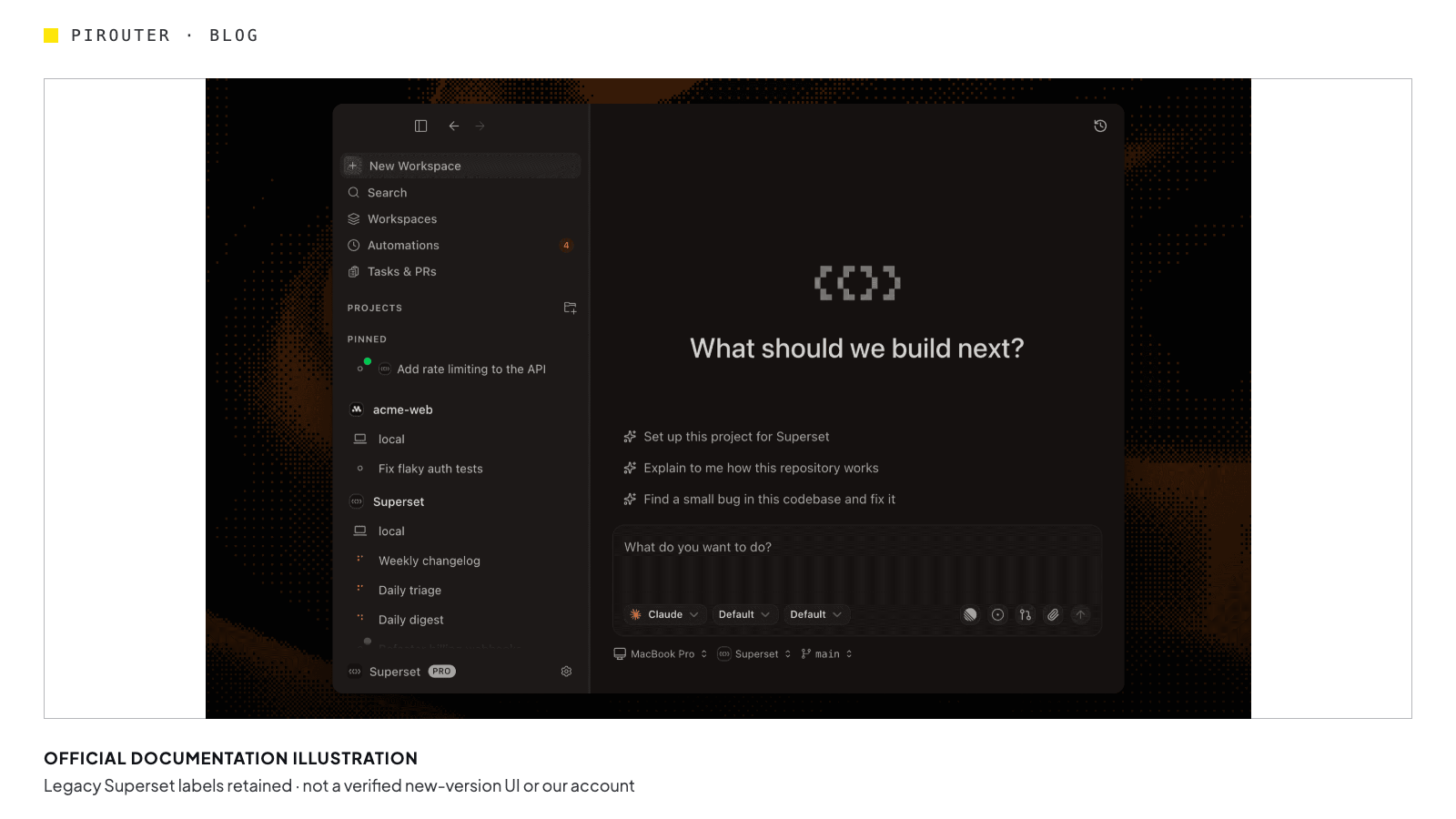
Superset users should not need a manual migration to Paradev: the company says accounts, workspaces, settings and billing carry over. The change does not turn the workspace into a model subscription; users still bring their own coding-agent accounts or API keys. And separate Git worktrees should not be mistaken for a guarantee that every agent has separate system permissions.
Those distinctions are more useful than treating the new name as a new model launch. Paradev organizes agents you already use. Whether that organization is worth adding to your workflow depends on the workspaces it manages, the work you still review and the bills it does not replace.
The name changes; the account and CLI are meant to carry over
The October 26 Paradev announcement pairs the new name with an $11.5 million seed round, also confirmed by lead investor Union Square Ventures. A linked October 12 rebrand post predates that announcement.
For existing users, the migration FAQ is direct. Accounts, workspaces, settings, billing and contracts carry over; users stay signed in, and the desktop app updates to the new name. The old superset command continues working, with paradev available as an alias. The company also says old site and repository links redirect.
These are the company’s continuity commitments, not results from a migration test performed for this article. Preserve a known working setup while confirming the parts an integration actually uses: its command name, project paths and sign-in.
A worktree separates code changes, not every permission
According to the Paradev workspace documentation, a local project workspace gives a task its own Git worktree, directory and terminal sessions, with workspace-scoped port controls. Cloud workspaces use separate clones. The distinction matters: a local worktree is not another name for a cloud machine.
Consider a hypothetical pair of tasks: one agent fixes a regression while another prepares a new feature. Separate worktrees let them edit separate working directories and branches instead of repeatedly switching one directory between tasks. Their changes can then be reviewed and integrated through normal branch and pull-request workflows. That is a concrete organizational benefit; it is not evidence that either agent will solve its task correctly or that two agents deliver twice as much work.
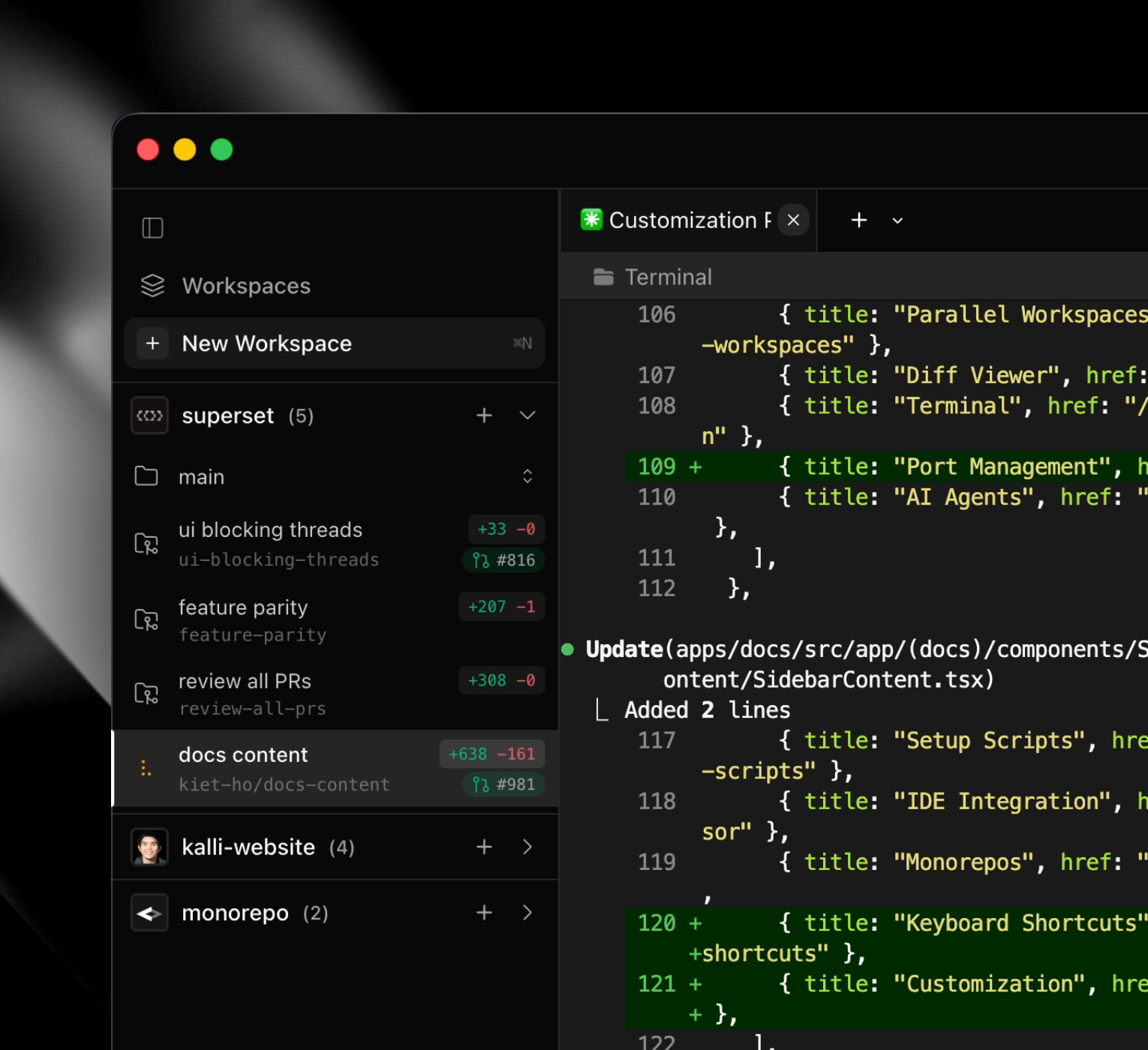
The word “isolated” needs a narrower reading than it sometimes gets in agent products. The workspace page establishes separation of code directories and branch work. It does not establish an operating-system sandbox, independent network access or credential isolation for every agent. Those protections may depend on other controls, but a worktree alone is not proof of them.
There is a related distinction between a workspace record and a backup. The documentation says restoring a deleted workspace brings back committed work; it does not recover uncommitted or untracked changes lost when that workspace was deleted. This is the workspace-deletion rule, not a description of the separate project-deletion workflow. A recoverable card in the interface should not be treated as evidence that every file is recoverable.
Desktop availability also has limits. The installation requirements list Apple Silicon and Intel Macs, a Linux x64 AppImage described as experimental, and no Windows version yet. They require Git and at least one existing coding agent. A product that can organize several agents is not automatically available on every machine those agents support.
The workspace plan and the model bill are different purchases
The current Paradev pricing FAQ states that users bring their own agent subscriptions or API keys on every plan. It describes Paradev as the workspace in which agents run, not a model provider, and says it does not proxy model API calls.
That makes the spending boundary relatively clear. A free individual plan covers local workspaces, the desktop application and CLI; it does not make a paid agent account or metered API usage free. A paid workspace seat does not, by itself, replace those separate costs either. The agent’s own provider and account conditions still need checking.
Cloud compute is another resource, not a model allowance. The current pricing page labels cloud workspaces as beta and meters their resources in GB-hours. The investor’s announcement describes cloud capability prospectively, so it should not be used to infer a first-release date or general availability. For a current deployment decision, the product documentation and the chosen plan’s limits matter more than that roadmap language.
This article is not an installation, security or total-cost test. The useful next step for an existing Superset user is smaller: confirm continuity on a familiar project, keep the original agent account and review how completed work returns to the main development flow. For a new user, start with the directory and branch-management problem you need solved, rather than the number of agents a promotional example can display.
Paradev can be evaluated as a layer for organizing parallel work without pretending that it supplies the model, replaces review or creates a security boundary merely by naming a workspace. Keeping those responsibilities separate makes both the migration question and the purchase decision simpler.